
How to Promote Your Website: 7 Simple Ways to Drive Traffic, Leads & Conversions

Introduction
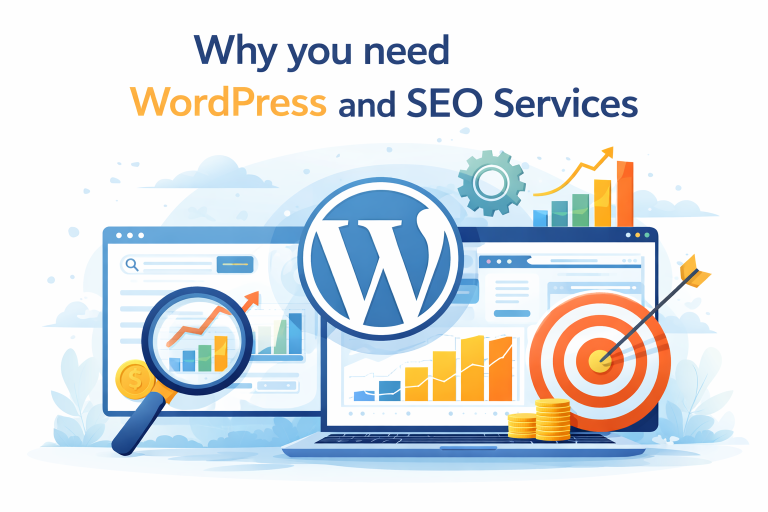
Building a website is an essential first step, but by itself it is not enough to generate traffic, drive sales, or deliver meaningful business growth. Many small business owners face low website traffic, few or no conversions, limited visibility on Google, rising advertising costs, and increased competition across nearly every industry. To succeed, website promotion must go beyond simply launching a site and should combine SEO, free organic channels, and carefully planned paid strategies that work together. In this guide, we will cover seven practical, proven ways to promote your website, attract high-quality traffic, and turn visitors into customers. These methods are low-budget, scalable, and realistic for small businesses, starting with the most sustainable foundation: search engine optimisation.
1. Use SEO to Promote Your Website on Google
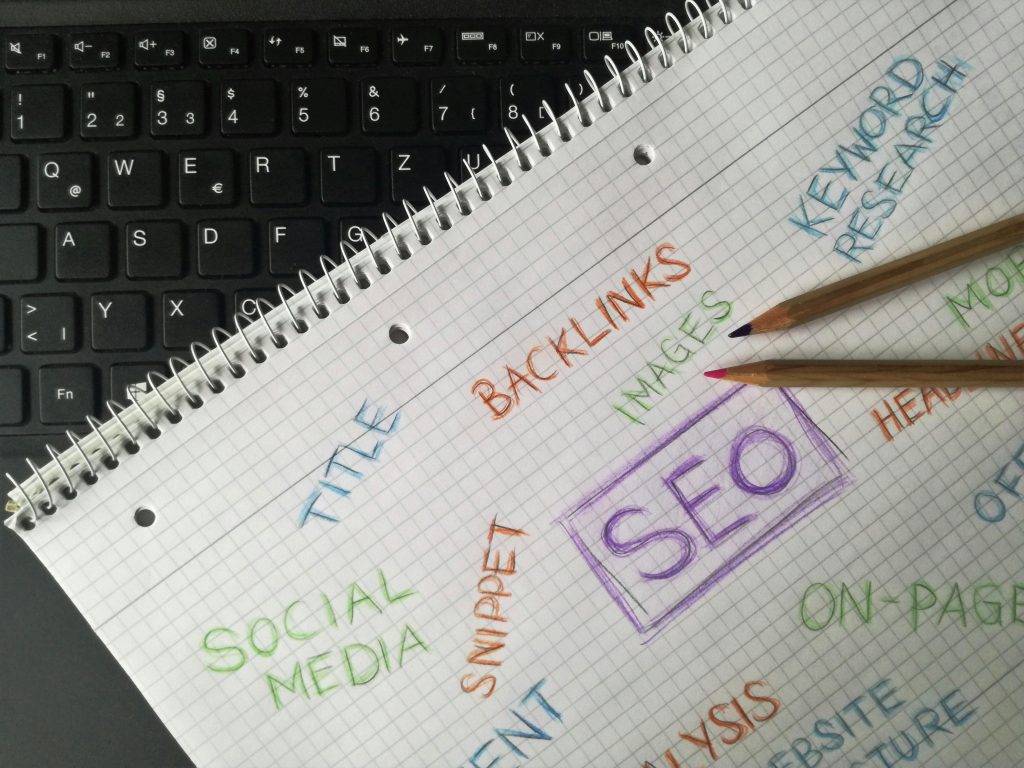
SEO (Search Engine Optimisation) is about helping your website appear on Google when people search for products or services like yours. It starts with basic keyword research—understanding the exact words and phrases your customers type into Google—which small businesses can do using free tools such as Google Search, Google Trends, or AnswerThePublic.
Once you know these keywords, you can optimise your service pages, blog posts, or ecommerce product pages to clearly answer what searchers are looking for, rather than just selling to them. Local SEO is essential, so setting up and optimising your Google Business Profile helps your business appear in local search results and on Google Maps. Over time, SEO drives organic, high-quality traffic from people actively searching, making it one of the most reliable and cost-effective ways to promote your website on Google.
2. Promote Your Website for Free With Content Marketing
Once SEO is in place, content marketing becomes one of the easiest and most cost-effective ways to promote your website consistently. Blogging turns your website into a traffic engine by creating pages that answer real customer questions and show up in search results over time. Some content is evergreen, meaning it stays relevant for months or even years, while other pieces follow trends and bring short-term spikes in traffic—both have their place in a healthy strategy.
By internally linking your blog posts to service or product pages, you naturally guide visitors to take action rather than leave your site. The best part is that one piece of content can be repurposed into YouTube videos, Twitter threads, or TikTok clips, setting the stage to drive even more traffic through social media channels.
3. Drive Traffic From Social Media Platforms
If SEO and content marketing are your “long-term engine,” social media is the distribution system that gets your content in front of people fast. The mistake most small businesses make is posting random updates and hoping they turn into traffic. Social media can absolutely drive traffic, leads, and sales—but only when you treat it like a simple system: pick the right platforms, post the correct type of content, and always guide people back to a clear next step on your website.
How to Promote Your Website on Social Media
Choose platforms based on where your customers actually hang out (not what’s trending).
If you’re B2B (services, agencies, consultants, SaaS), LinkedIn is usually your best bet. If your business is visual (fashion, beauty, food, fitness, events), Instagram and TikTok are stronger. If you sell products, Pinterest can be quite a goldmine because it functions more like a search engine than a social app. Facebook still works well for local service businesses and community-based offers. At the same time, Twitter/X is powerful for building a “voice” and connecting with communities—especially in tech, startups, creators, and niche industries.
Post consistently, but with a purpose—and don’t hide your link.
Consistency doesn’t mean posting every hour. It means your audience should regularly see you delivering value. A simple rhythm that works for many small businesses is:
3–5 posts per week (minimum)
1–2 strong “traffic posts” per week (posts designed to send people to a page on your site)
daily Stories (if you’re active on Instagram) or frequent short updates (Twitter/X)
Always give people a reason to click to your website.
Don’t just drop links—earn the click. Use “micro-promises” like
“Here’s the checklist…”
“The full guide is on the website…”
“I added examples and templates here…”
“Read the full breakdown…”
Then link to something valuable: a blog post, a landing page, a free download, a product page, a booking page, or a case study.
Make sure the page you’re sending them to is actually worth visiting.
If your link goes to a slow page, a confusing landing page, or a page with no clear CTA (Call To Action), social traffic won’t convert. Ideally, each social post should point to a page with one goal: book a call, buy, sign up, or learn more.
Platform-Specific Strategies
LinkedIn: B2B Traffic, Thought Leadership, Profile Optimisation
LinkedIn works best when you show up as an expert and make your profile a “mini landing page.” Start by optimising your headline and About section to clearly say what you do, who you help, and the result you deliver. Then pin your best offer or lead magnet in your Featured section (like a free audit, a guide, a case study, or a service page link). For traffic, LinkedIn loves value posts: short stories, lessons learned, step-by-step frameworks, and opinion-driven posts that teach or challenge a common belief.
A simple LinkedIn traffic formula is
- Post a value breakdown (problem → insight → steps)
- Add a soft CTA (“I wrote the full guide here…”)
- Link in the comments or as a direct link, depending on what performs better for your audience
To build authority faster, comment daily on relevant posts in your niche and connect with business owners you genuinely want to work with. Over time, your profile becomes a steady source of inbound traffic and leads.
Instagram: Reels, Bio Links, Story CTAs
Instagram is all about attention, but that attention only translates into website traffic if you guide it effectively. Your bio should clearly state what you do and include one strong link (use a link-in-bio tool if needed, but don’t overload it). Reels are currently your best bet for reach—keep them simple: quick tips, behind-the-scenes, product demos, transformations, before/after, or “3 mistakes people make” style content.
Then use Stories to push clicks. Stories are where people take action. Use:
- “Link” sticker for blog posts, products, booking pages
- Polls and question boxes to spark engagement
- CTAs like “Tap the link to grab the full guide”
If you want consistent traffic, create a weekly routine: one educational Reel, one testimonial/credibility post, and several Story links that drive traffic to your site.
Twitter/X: Threads, Link Tweets, Community Engagement
Twitter/X is powerful for building trust through ideas, opinions, and mini-education. Threads work exceptionally well because they let you teach in public. A good thread structure looks like:
- Strong hook (problem or bold claim)
- Step-by-step breakdown
- Quick examples
- Short CTA at the end with a link to your site (“Full guide here…”)
Don’t only post links—mix in conversations. Reply to people in your niche, join discussions, and quote-tweet with your own insights. Twitter rewards consistency, and small businesses that show up with clear value often build a loyal audience that clicks and buys over time.
Facebook: Groups, Pages, Retargeting
Facebook continues to deliver strong results for local businesses and community-based organizations. The fastest organic wins often come from participating in relevant groups (city groups, industry groups, and business owner groups). Still, you must lead with value—answer questions, share helpful posts, and only drop your link when it genuinely helps. Your Facebook page should also include up-to-date information, services, and a clear CTA button (e.g., call, book, shop, learn more).
For paid traffic, Facebook becomes extremely powerful with retargeting—this is where you show ads only to people who have already visited your website or engaged with your content. It’s usually cheaper and converts better than cold ads because you’re marketing to warm audiences. Even small budgets can work here if your offer is clear.
Pinterest: Evergreen Pins for Blogs & Ecommerce
Pinterest is not just “social media”—it’s a visual search engine, and that’s why it’s excellent for long-term traffic. A single good pin can drive clicks for months. Pinterest works exceptionally well for blogs, ecommerce, home decor, beauty, recipes, fashion, events, and tutorials. The strategy is simple: create pins that match what people search for, link them to your blog posts or product pages, and keep posting consistently.
Focus on:
- Clean designs, clear titles, and strong keywords
- Multiple pins per blog post/product (different designs, same link)
- Keyword-optimised pin descriptions and boards
Pinterest traffic is often high-intent, as users are actively seeking ideas, products, and solutions—creating better conversion potential for the right offers.
If you’re doing this the smart way, the flow is: SEO drives steady organic traffic, content marketing creates the pages that rank, and social media distributes those pages to generate faster visibility and clicks. Next, we’ll cover a faster lever many small businesses use to test offers and drive immediate traffic—Google Ads—and how to use it without burning your budget.
4. Promote Your Website Using Google Ads
Google Ads can be a smart option for small businesses that need quick visibility or want to test offers without waiting for SEO results. Search ads perform best because they target people actively searching for your products or services, while display ads are more effective for brand awareness and retargeting.
With a controlled budget, clear keywords, and focused landing pages, ads can help you learn what converts and avoid wasted spend. When combined with SEO, Google Ads delivers short-term traffic while SEO builds long-term growth and reduces reliance on paid advertising.
5. Promote Your Website Through Communities, Forums & Directories Listing
By now, you’ve seen how SEO, content, social media, and even Google Ads work together to drive traffic. The next layer—often overlooked by small businesses—is community-driven promotion. Communities, forums, and business directories are potent if you’re working with a low budget because they put your website in front of people who are already discussing problems your business solves. When done correctly, these channels can drive highly targeted referral traffic that converts more effectively than random clicks.
The key rule here is value first, links second. Communities are not advertising boards, and dropping links without context usually backfires. On platforms like Reddit, for example, you should spend time answering questions, sharing experiences, and contributing helpful insights before ever linking to your website. When a link is shared as a genuine solution to a problem, it feels natural rather than spammy and often drives high-intent visitors who already trust your input.
Communities & Platforms to Focus On
- Reddit (subreddits of your local market or expertise)
Answer questions, share your experiences, and connect to your website only when it truly advances the conversation in pertinent subreddits.
- Quora (answer queries and provide links to further in-depth materials)
Answer frequently asked questions in your field with concise, helpful responses and include a link to your website for more thorough explanations or instructions.
- Medium (repost instructional information with a backlink to your website)
To increase referral traffic and establish authority, share condensed or repurposed versions of your blog pieces on Medium along with relevant backlinks to your website.
- Disqus (participate in industry-wide blog comment sections)
Post intelligent, insightful comments on well-known articles that make use of Disqus, and only provide links to your website when doing so advances the discussion or provides valuable context.
Popular Forums Worth Exploring
- Warrior Forum (digital marketing and online business)
- GrowthHackers Community (startups and growth-focused companies)
- Digital Point Forums (SEO, marketing, and web development)
- Small Business Forums (industry-specific or local forums)Warrior Forum (digital marketing and online business)
- GrowthHackers Community (startups and growth-focused companies)
- Digital Point Forums (SEO, marketing, and web development)
- Small Business Forums (industry-specific or local forums)
Top Free U.S. Business Directories
- Google Business Profile
- Yelp
- Bing Places
- Apple Maps
- Facebook Business Pages
- YellowPages
- Foursquare
- Angi (formerly Angie’s List)
- Better Business Bureau (BBB)
- Manta
These listings not only help customers find you but also strengthen your local SEO by sending trust signals to search engines.
Common Mistakes to Avoid When Promoting Your Website On Forums
- Dropping links without adding value or context
- Promoting in the wrong communities
- Ignoring community rules
- Overposting the same link everywhere
- Failing to engage after sharing
When used thoughtfully, communities and directories can become a steady source of high-quality traffic and brand credibility. Next, we’ll look at how video and visual platforms can amplify everything you’ve already built and bring even more targeted visitors to your website.
6. Use Video & Visual Platforms to Drive Quality Traffic
As you finalise your promotion strategy, video and visual platforms are a powerful way to amplify what you’ve already built. YouTube functions like a search engine, with people actively seeking tutorials, reviews, and solutions—making it ideal for driving high-intent traffic back to your website. TikTok, on the other hand, is growing fast as a discovery platform, especially for short, educational, and behind-the-scenes content that builds trust quickly. No matter the platform, always use clear video descriptions, pinned comments, and simple CTAs that guide viewers to a specific page on your site, whether it’s a blog post, product page, or booking link.
Content formats like product demos, how-to guides, tutorials, top-10 lists, and behind-the-scenes videos work exceptionally well because they educate while subtly selling. Pinterest also plays a key role for ecommerce and visual businesses, helping users discover products, ideas, and blog content long after they’re posted. The goal across all these platforms is not just views, but intentional traffic—turning viewers into visitors and visitors into customers. With this final traffic channel in place, you’re now ready to tie everything together and focus on building a promotion system that delivers consistent results over time.
7. Optimise for Conversions, Not Just Traffic
Driving traffic to your website is only half the job; what truly matters is turning that traffic into leads and customers. Quality traffic comes from visitors who understand your offer and are clearly guided on what to do next through strong calls to action and focused landing pages. Simple tools like email capture forms, lead magnets, and newsletters help you stay connected with visitors who are not ready to buy immediately, while retargeting through email or ads brings them back at the right time.
When you consistently track conversions, not just page visits, you can measure real ROI and fine-tune every channel you’ve built—ensuring all your SEO, content, social, and paid efforts work together to drive meaningful business growth.
Conclusion
Promoting your website effectively today requires a brilliant mix of channels working together, not relying on any single tactic. SEO, content marketing, social media, communities, ads, and video all play different roles, and the real results come from showing up consistently and doing things the right way, rather than chasing shortcuts that can backfire. Small businesses don’t need to do everything at once—starting simple, learning what works, and scaling gradually is often the most sustainable path.
If you want expert guidance, Crescita Solutions can help with website audits, SEO services, content marketing, and growth-focused strategies tailored to your business goals. When SEO builds the foundation, content creates value, and distribution gets that value seen, you have a winning system—and Crescita Solutions has proven time and again to be a trusted source for executing this formula effectively.
FAQs
How can I promote my website on a low budget?
Start with SEO, content marketing, and free channels like social media, communities, and business directories. Focus on answering customer questions, optimising for local search, and consistently sharing helpful content that links back to your website.
What is the fastest way to drive traffic to a new website?
Paid ads are the fastest option, especially on platforms such as Google Ads, Meta (Facebook & Instagram), TikTok, and Snapchat. These give you immediate visibility as you work on long-term strategies such as SEO & Content marketing.
How do I drive quality traffic instead of random visitors?
Quality traffic comes from understanding your audience deeply and targeting them intentionally. Conduct thorough audience and keyword research, drive traffic to targeted landing pages, and run A/B tests to refine messaging, offers, and pages that attract visitors more likely to convert.
Which platform is best for promoting a small business website?
There’s no one-size-fits-all platform, which is why working with experts like Crescita Solutions helps. They identify the right mix of SEO, content, ads, and platforms based on your business goals and audience.
Can I promote my ecommerce website without paid ads?
Yes, content marketing works very well for ecommerce when done right. Product-focused blogs, how-to guides, comparisons, user-generated content, and SEO-optimised product pages can drive consistent organic traffic and sales over time without relying on ads.