5 Benefits of SEO for small businesses in the U.S.
There are several benefits of SEO for small businesses like yours in the U.S. One key importance of SEO is to bring pure organic traffic to your business once you have a website. Having a website for your business is the number one step to take when using SEO to scale.
One of the essential goals of SEO is to drive traffic, Leads, and sales to your business through your website. To get started, you need a solid SEO strategy, which requires proper research to understand your target audience and how you can position your business to them.
In this article, we would be sharing insights on what SEO is all about, how to get started with SEO, why it’s important for your business and necessary strategies to employ to avoid bad SEO.
What is SEO?
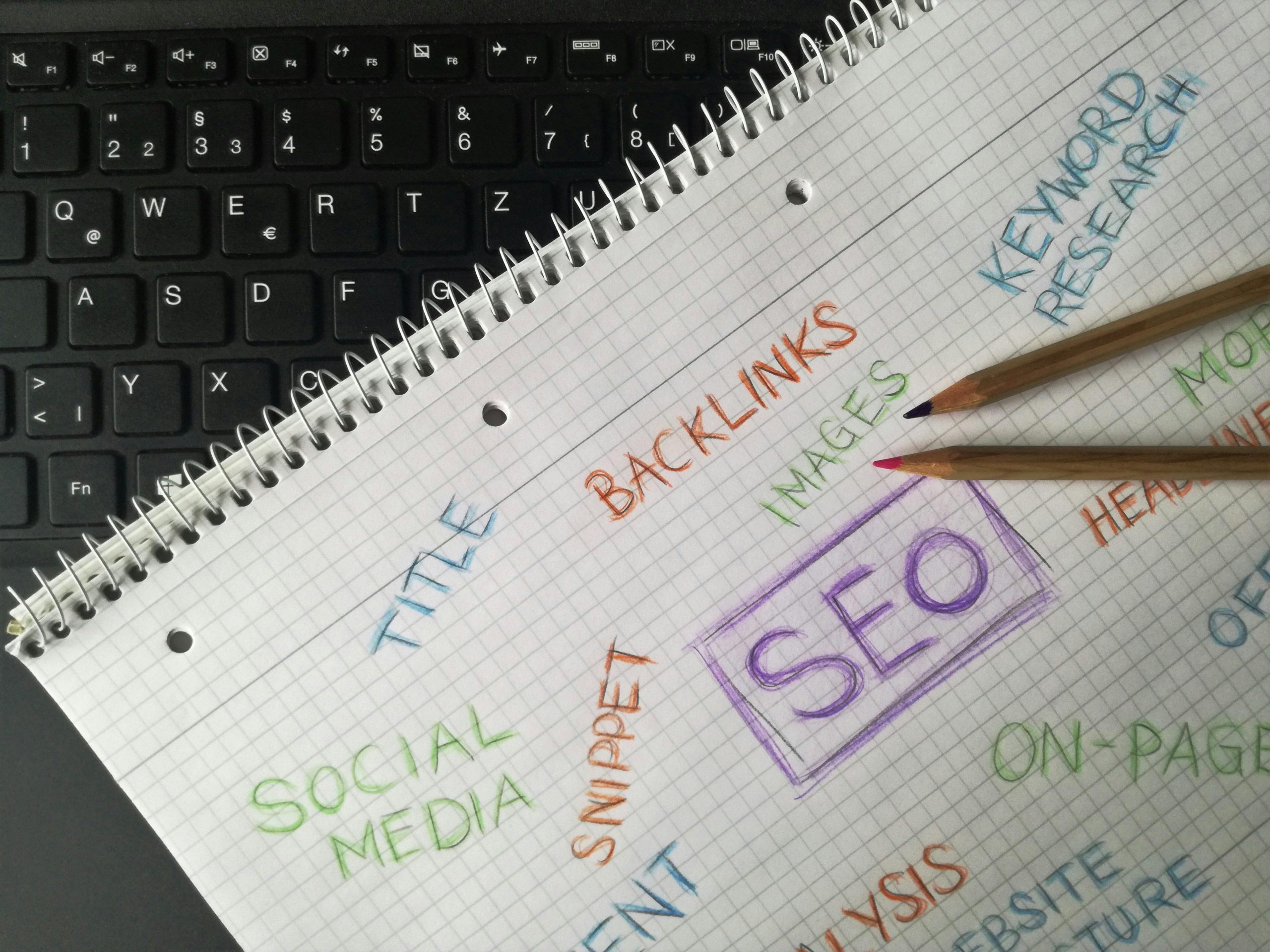
SEO means Search Engine Optimization, it is the process of making changes to a website so that search engines like Google rank it higher.
When people search for goods or services similar to what you offer, it helps them find your business. When you make use of SEO for your business, you need to make sure to use the right keywords, with content marketing and easy navigation to make your website accessible.
SEO is meant to bring in free, natural, organic traffic/leads that can be turned into customers.
Why is SEO Important for Small Businesses in the U.S.?
SEO is essential for small businesses in the U.S as it enables them to be discovered online by individuals actively seeking their products or services. It enables small businesses to compete with larger brands without incurring substantial expenses on paid advertising.
Additionally, SEO provides sustained, cost-efficient traffic that consistently contributes to lead generation over time. By achieving higher rankings on search engines, small businesses can establish trust, enhance credibility, and promote consistent growth within their local and international markets.
Where to start with SEO in your Business
The first thing you need to know about search engine optimization (SEO) is what your clients search for in Google to find your products or services. Make an effort to use simple terms on your website that corresponds to the way actual people search.
Your company’s name, services, and address should be visibly displayed on your website. Make sure people can locate your business in your area by setting up your Google Business Profile.
The next step of using SEO in your business, is to make useful content that addresses frequently asked questions rather than constantly trying to sell to your customers.
Maintain an up-to-date website with informative service pages, simple blog posts, and your correct contact information.
To build exposure and credibility, indulge your satisfied clients to post their positive reviews online. If you stick to these easy SEO tricks consistently, your business will start to appear more frequently in Google’s search results.
The 5 Benefits of SEO for Your Small Business
Search Engine Optimization (SEO) helps small businesses get found online by people who are already searching for their products or services. Unlike ads that stop working once you stop paying, SEO focuses on building long-term visibility, trust, and steady growth. For small businesses, SEO is one of the most effective ways to compete with bigger brands without overspending on marketing. Below are five key ways SEO supports sustainable business growth.
1. Helps Your Brand Reach a Wider Audience
SEO helps your business show up in more places online such as Google Search, Google Maps, local listings, and even online publications. This wider visibility increases how often potential customers see your brand when searching for related services in your area or across the country. Over time, your business can also gain mentions through digital PR, industry websites, and AI-powered search tools, all of which help expand your reach without extra advertising spend.
2. Reduces Customer Acquisition Costs Compared to Paid Ads
With SEO, you are not paying for every click like you would with Google or social media ads. Once your website starts ranking, customers can continue finding your business organically without ongoing ad costs. This makes SEO a more affordable way to attract customers, especially for small businesses working with limited marketing budgets and looking for consistent results.
3. SEO Becomes More Cost-Effective Over Time
SEO is a long-term investment that becomes more efficient the longer you maintain it. As your website content and rankings improve, you need less spending to keep attracting traffic. Unlike paid ads, where costs often increase due to competition, SEO continues delivering value while your overall marketing expenses gradually decrease.
4. Positions Your Business as a Trusted Industry Authority
SEO allows your business to share helpful content that answers customer questions and solves real problems. When people consistently see your brand providing valuable information, they begin to trust your expertise. This trust not only improves your search rankings but also makes customers more confident in choosing your business over competitors.
5. Attracts More Qualified and Ready-to-Buy Leads
SEO targets people who are actively searching for specific products or services, which means the traffic you receive is more relevant. By focusing on the right keywords, your business attracts visitors who are already interested and more likely to convert into paying customers. This results in better lead quality, higher conversions, and more efficient sales growth.
Cons of SEO for Small Businesses
While SEO offers many long-term benefits for small businesses, it is not without its challenges. For business owners expecting fast results or a simple setup, SEO can sometimes feel slow, complex, and uncertain. It requires patience, consistency, and often outside expertise to get right. Understanding these potential drawbacks upfront helps small businesses set realistic expectations and make smarter decisions when investing in SEO.
Let’s explore the 3 Cons of SEO for Small Businesses below
1. SEO Takes Time to Produce Results
SEO is not an instant solution and does not deliver quick wins like paid ads. It often takes several months before rankings, traffic, and leads start to improve noticeably. This can be frustrating for small businesses that need immediate sales or quick visibility. SEO requires patience and consistency to see long-term benefits.
2. SEO Is Difficult to Do Properly Without Expertise
SEO involves technical setup, content strategy, keyword research, and ongoing optimization, which can be overwhelming for non-technical business owners. Most small businesses cannot effectively handle SEO on their own without proper training or experience. As a result, they often need to hire an SEO professional or agency to do it correctly. This creates a dependency on external experts.
3.Poor SEO Services Can Waste Time and Money
Not all SEO providers deliver quality results, and choosing the wrong team can lead to poor execution. Some agencies use outdated or risky tactics that do not produce real growth. This can cause small businesses to lose valuable time, money, and trust in SEO as a channel. In some cases, bad SEO work can even harm a website’s performance. Our Team at Crescita Solutions can help you with your content game for good SEO.
Tips for boosting SEO For your small business
After understanding the pros and cons of SEO, the next step is knowing how to approach it the right way. SEO works best when it is set up correctly from the start, managed by the right people, and maintained consistently over time. For most small business owners, success with SEO depends less on technical skills and more on making smart decisions about who handles the work and how progress is measured. The tips below will help you boost your SEO while avoiding common mistakes.
Tips to Boost Your SEO
- Vet SEO experts carefully before hiring by checking case studies, client reviews, and real examples of businesses they have helped grow, especially within the U.S. market.
- Avoid agencies that promise instant results or guaranteed rankings, as SEO takes time and no one can guarantee specific positions on Google.
- Choose professionals who explain things clearly and can communicate progress in simple business terms, not technical jargon.
- Make sure your SEO strategy starts with your business goals, such as leads, phone calls, or local visibility, not just traffic numbers.
- Ask for a clear plan covering setup, execution, and ongoing maintenance, including timelines and expected milestones.
- Track progress with basic metrics like website traffic, leads, calls, and form submissions instead of focusing only on keyword rankings.
- Commit to consistency, because SEO works best when content, updates, and optimizations are done regularly over time.
- Review performance periodically and be willing to adjust strategies based on what is working and what is not.
When handled correctly, SEO becomes a reliable growth channel rather than a risky expense. By choosing the right experts and staying consistent, small businesses can build strong online visibility and long-term results with confidence.
Common SEO mistakes to avoid for your U.S. Small Business
SEO can deliver strong long-term results, but many small businesses struggle because of avoidable mistakes. These errors often come from unrealistic expectations, poor guidance, or chasing shortcuts instead of building a solid foundation. Knowing what not to do is just as important as knowing what to do, especially when your time and budget are limited. Below are some of the most common SEO mistakes small businesses in the U.S. should avoid.
- Expecting instant results from SEO, which can lead to frustration and abandoning the strategy too early before it has time to work.
- Hiring SEO providers based only on low cost, without checking experience, past results, or understanding of your industry.
- Falling for guarantees like “#1 ranking on Google”, as no legitimate SEO professional can promise specific positions.
- Ignoring local SEO, including Google Business Profile optimization, which is critical for attracting nearby customers.
- Focusing only on traffic instead of leads and sales, which can result in visitors who never convert into customers.
- Publishing low-quality or copied content, which hurts credibility and can reduce search visibility over time.
- Not tracking or reviewing SEO performance, making it hard to know what is working and what needs improvement.
Avoiding these common SEO mistakes can help your small business protect it’s marketing investment and see better results over time. With the right expectations and guidance, SEO can become a steady growth channel for small businesses in the U.S. rather than a costly experiment.
Conclusion
SEO remains one of the most powerful growth tools available to small businesses in the U.S. when approached with the right strategy and expectations. From building long-term visibility and trust to attracting qualified leads at a lower cost. SEO delivers value that compounds over time. While it does require patience, expertise, and consistency, avoiding common mistakes and working with the right professionals can make all the difference.
For small business owners in the U.S.looking to grow sustainably, now is the right time to treat SEO as a long-term investment, set clear goals, and take the first steps toward building a strong and competitive online presence.
FAQs
1.How long does SEO take to show results for U.S. small businesses?
SEO usually takes time, and most small businesses start seeing noticeable improvements within 3 – 6 months. This includes better visibility, more website traffic, and early leads. Stronger results often appear over time as your website gains trust and authority. SEO works best when viewed as a long-term growth strategy rather than a quick fix.
2.Is SEO worth it for U.S. small businesses with limited budgets?
Yes, SEO is one of the most cost-effective marketing options for small businesses. Unlike paid ads, you don’t pay for every click or visitor. Once your website starts ranking, it can continue bringing in customers without increasing costs. This makes SEO especially valuable for businesses with tight or fixed marketing budgets.
3.Can small business owners in The U.S. do SEO themselves or should they hire a professional?
Basic SEO tasks like updating content or managing business listings can be handled by business owners.
However, effective SEO requires experience, strategy, and ongoing optimization, which most owners don’t have time to manage. Hiring a professional helps avoid mistakes and speeds up results. The key is choosing the right expert with proven experience and results.
4. What is the difference between SEO and paid advertising for small businesses?
SEO focuses on earning free, organic traffic over time, while paid ads require ongoing payments to stay visible.
Paid ads can deliver quick results but they stop working once you stop paying. SEO builds long-term visibility and trust that continues to deliver value. Many small businesses use both, but SEO provides more sustainable growth.
5.What are the most common SEO mistakes small businesses should avoid?
Common mistakes include expecting instant results, hiring cheap or unqualified SEO services, and ignoring local SEO.
Many businesses also focus only on traffic instead of real leads and sales. Publishing low-quality content or not tracking performance can hurt your SEO results. Avoiding these mistakes helps protect your investment and improves long-term success in your business.